
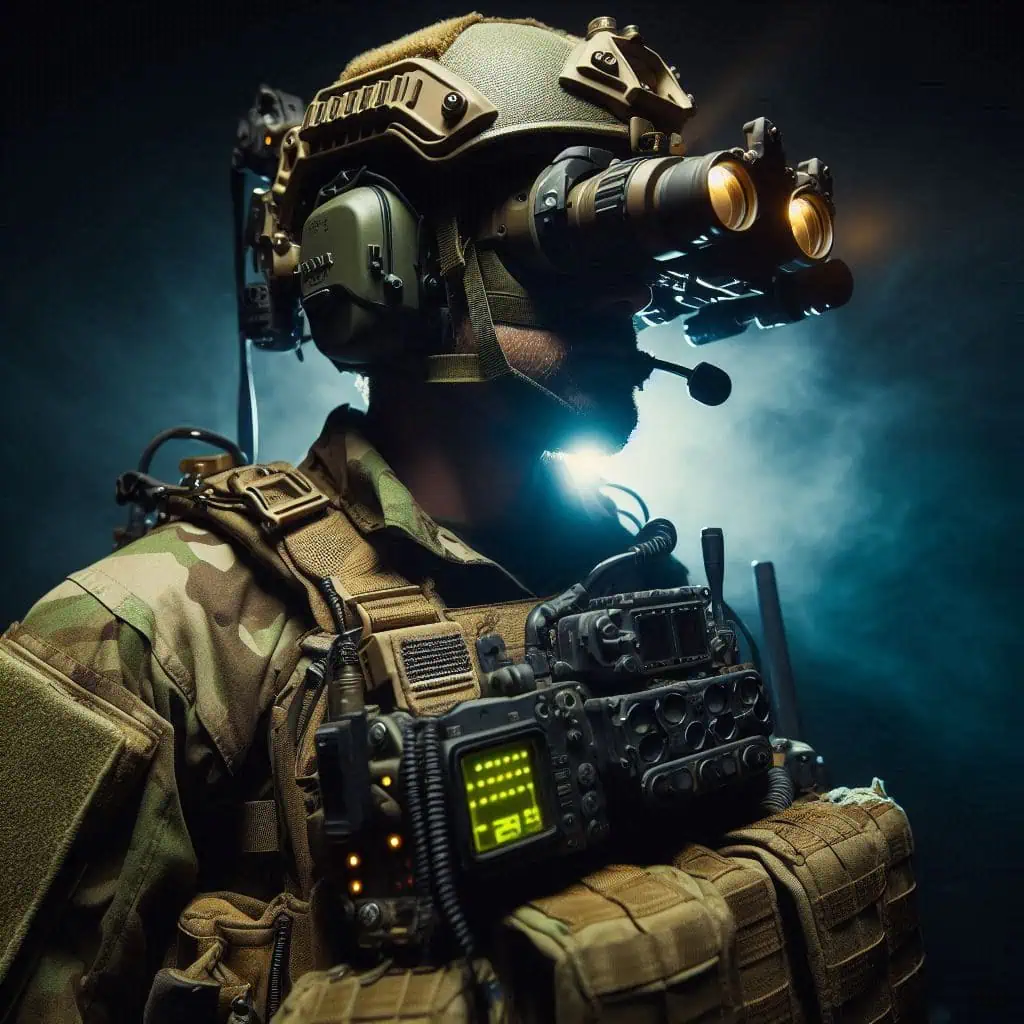
The Military’s Secret Weapon: How Aluminum-Ion Batteries Are Powering the Next Generation of Warfare
The Pentagon’s Energy Revolution
While civilians debate EV batteries, defense agencies worldwide are quietly adopting aluminum-ion technology for:
- Hypersonic weapons systems
- Soldier power networks
- Stealth drone fleets
Why militaries care:
⚡ Instant recharge in battlefield conditions
❄️ -60°C to 150°C operational range
💣 EMP-resistant architecture
(Lockheed Martin’s Skunk Works division filed 12 related patents in 2023 alone)
Section 1: Frontline Applications
1.1 The “Forever Power” Soldier System
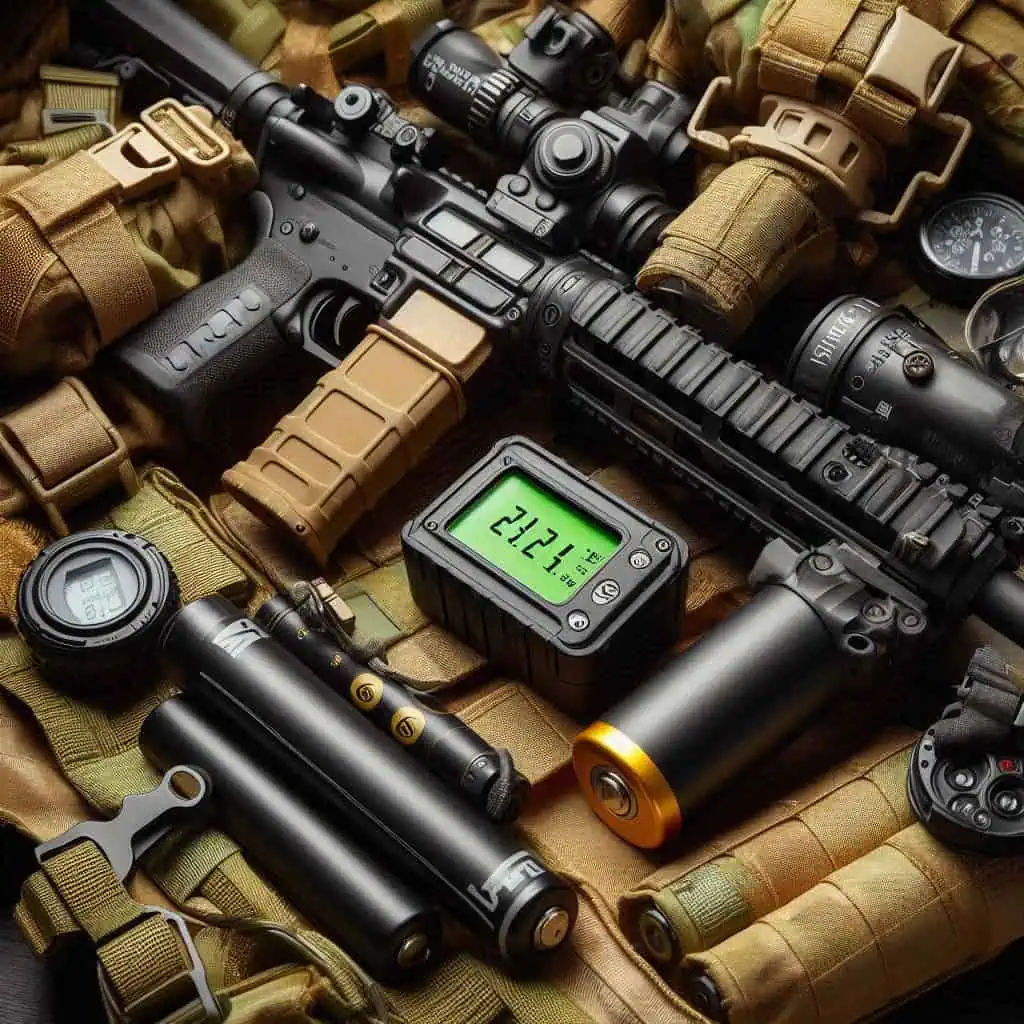
Capabilities:
- Powers exoskeletons for 72+ hours
- Recharges via solar blanket in 8 minutes
- Survives ballistic impacts that destroy lithium packs
Field Test Results:
- 82nd Airborne reported 40% load reduction
- Navy SEALs confirm saltwater immersion survival
1.2 Drone Warfare Game-Changer
- MQ-9 Reaper endurance extended from 27 to 42 hours
- Switchblade 300 loiter time tripled
- No thermal signature for stealth advantage
Section 2: The Arms Race Implications
2.1 National Security Shifts
| Country | Program | Budget |
|---|---|---|
| USA | Project Voltaic | $2.1B |
| China | Dragon Power | $3.4B |
| EU | Iron Sentinel | €800M |
2.2 The Aluminum Advantage
- No reliance on lithium supply chains
- Domestic production in most nations
- Battlefield recycling possible
Section 3: Civilian Spin-Offs Coming Soon
3.1 Emergency Response
- Firefighter gear with 12-hour HVAC
- Earthquake survival kits with 10-year shelf life
3.2 Extreme Sports
- Mount Everest expeditions testing prototype heaters
- Deep-sea diving communication systems
3.3 Space Exploration
- Artemis Program testing lunar surface batteries
- Mars rover upgrades in development