The Aluminum Revolution: How This Versatile Metal is Powering Our Future
Introduction: The Metal That Changed the World
Aluminum is the third most abundant element in Earth’s crust, yet it powers some of the most advanced technologies today. From electric vehicles to space exploration, this lightweight, durable, and infinitely recyclable metal is at the heart of modern innovation.
Key Stats:
✔ 2x stronger than steel (by weight)
✔ 100% recyclable without quality loss
✔ 60% less energy required for recycling vs. primary production
(Did you know? Recycling one aluminum can saves enough energy to power a TV for 3 hours!)
1: Why Aluminum is the Ultimate Green Metal
1.1 Sustainability Champion
- Closed-loop recycling: 75% of all aluminum ever produced is still in use
- Low carbon footprint: Smelting innovations cut emissions by 50% since 1990
- Infinitely reusable: Unlike plastic, aluminum never degrades
1.2 Energy Efficiency Breakthroughs
- Elysis technology (Apple & Rio Tinto): Zero-carbon aluminum production
- Hydro-powered smelters in Norway & Canada
2: Aluminum’s Role in Cutting-Edge Industries
2.1 Electric Vehicles (EVs)
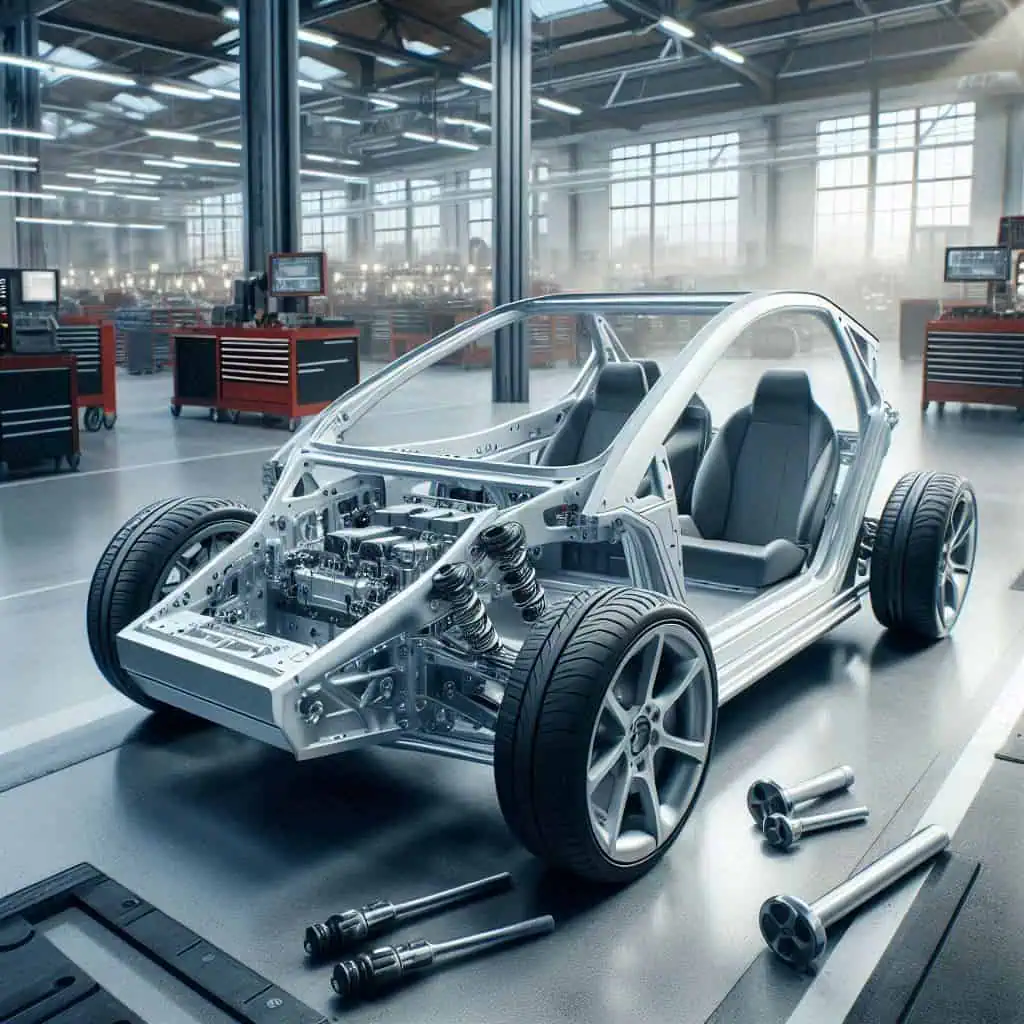
- Tesla Cybertruck: 3mm-thick aluminum exoskeleton
- Weight savings: Every 10% reduction = 6-8% better battery range
2.2 Aerospace & Defense
- Boeing 787 Dreamliner: 80% aluminum by weight
- SpaceX Starship: Aluminum-lithium alloys for fuel efficiency
2.3 Consumer Electronics
- iPhone frames: 7000-series aluminum for strength
- Foldable phones: Ultra-thin aluminum hinges
2.4 Renewable Energy
- Solar panel frames: Corrosion-resistant aluminum
- Wind turbine blades: Lightweight yet durable
3: The Aluminum-Ion Battery Revolution
While lithium dominates headlines, aluminum-ion batteries are emerging as a game-changer:
- 3x faster charging
- No fire risk (unlike lithium-ion)
- 80% cheaper materials
Companies Leading the Charge:
- Saturnose (EV batteries)
- Graphene Manufacturing Group (Australia)
- Phinergy (Aluminum-air tech)
4: The Future of Aluminum
4.1 Smart Cities & Infrastructure
- Self-healing aluminum for bridges & roads
- Aluminum foam for lightweight construction
4.2 Medical Breakthroughs
- Bio-compatible implants (hip replacements)
- Antimicrobial aluminum for hospitals
4.3 Space Colonization
- Lunar & Mars habitats using in-situ aluminum
- NASA’s 3D-printed aluminum rocket parts