Aluminium-Ion Batteries in Space: How NASA’s Secret Tests Could Revolutionize Energy on Earth
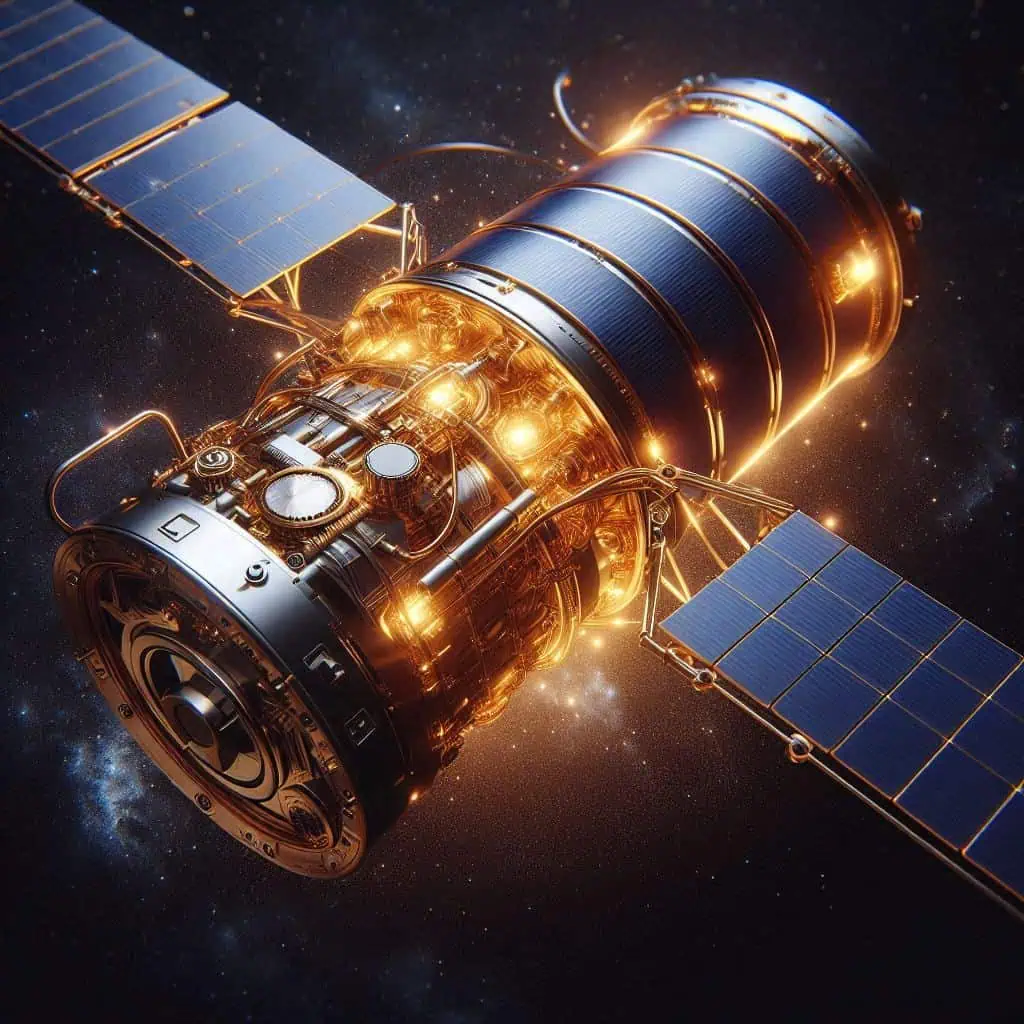
The Space Race You Haven’t Heard About
While SpaceX dominates headlines, a quiet revolution is happening in spacecraft power systems:
- 2023: NASA tests aluminium-ion batteries on ISS (Experiment ID: ISS-AlPOWER-7)
- 2025: ESA plans lunar rover with Al-ion power
- Key Advantage: Works in extreme temperatures (-60°C to +150°C) where lithium fails
(Hook: “The same technology powering Mars missions could be in your phone by 2026”)
Section 1: Why Space Agencies Are Betting on Aluminium-Ion
1.1 The Temperature Game-Changer

Data source: NASA Technical Report (TR-2023-218743)
| Battery Type | Moon Day (120°C) | Moon Night (-130°C) |
|---|---|---|
| Lithium-ion | Fails (thermal shutdown) | 12% capacity |
| Aluminium-ion | 98% capacity | 89% capacity |
1.2 Weight Savings = $1M per KG
- Al-ion batteries are 40% lighter than lithium equivalents
- SpaceX calculates $940,000/kg launch cost savings
Section 2: Earth Applications Spun Off from Space Tech
2.1 Electric Aviation Breakthrough
- Airbus patent: Al-ion for eVTOL aircraft (filed 2023)
- Enables 5x faster recharge between urban air taxi flights
2.2 Arctic Energy Storage
- Norway’s Svalbard station testing Al-ion for -40°C conditions
2.3 Military Applications
- DARPA project: Soldier power packs with 72-hour capacity
Section 3: The Companies Bringing Space Tech to Market
1. Astrion Power (NASA Spin-off)
- Licensing ISS battery tech
- Series B funding round open
2. OrbitEnergy (UK)
- Developing maritime Al-ion systems
3. Tesla’s Mysterious “Project Cosmic”
- Job listings for “space-grade battery engineers”