
Graphene Battery Technology: The Future of Energy Storage is Here
How Graphene is Revolutionizing Batteries – From Smartphones to EVs
Imagine a smartphone that charges in 5 minutes, an electric car that powers up faster than filling a gas tank, or a power grid that never degrades. This isn’t science fiction—it’s the promise of graphene battery technology, the most exciting breakthrough in energy storage since lithium-ion.
At Aluminiumion.com, we explore cutting-edge energy solutions, and graphene batteries could be the holy grail of power storage.
⚡ What Makes Graphene Batteries So Special?
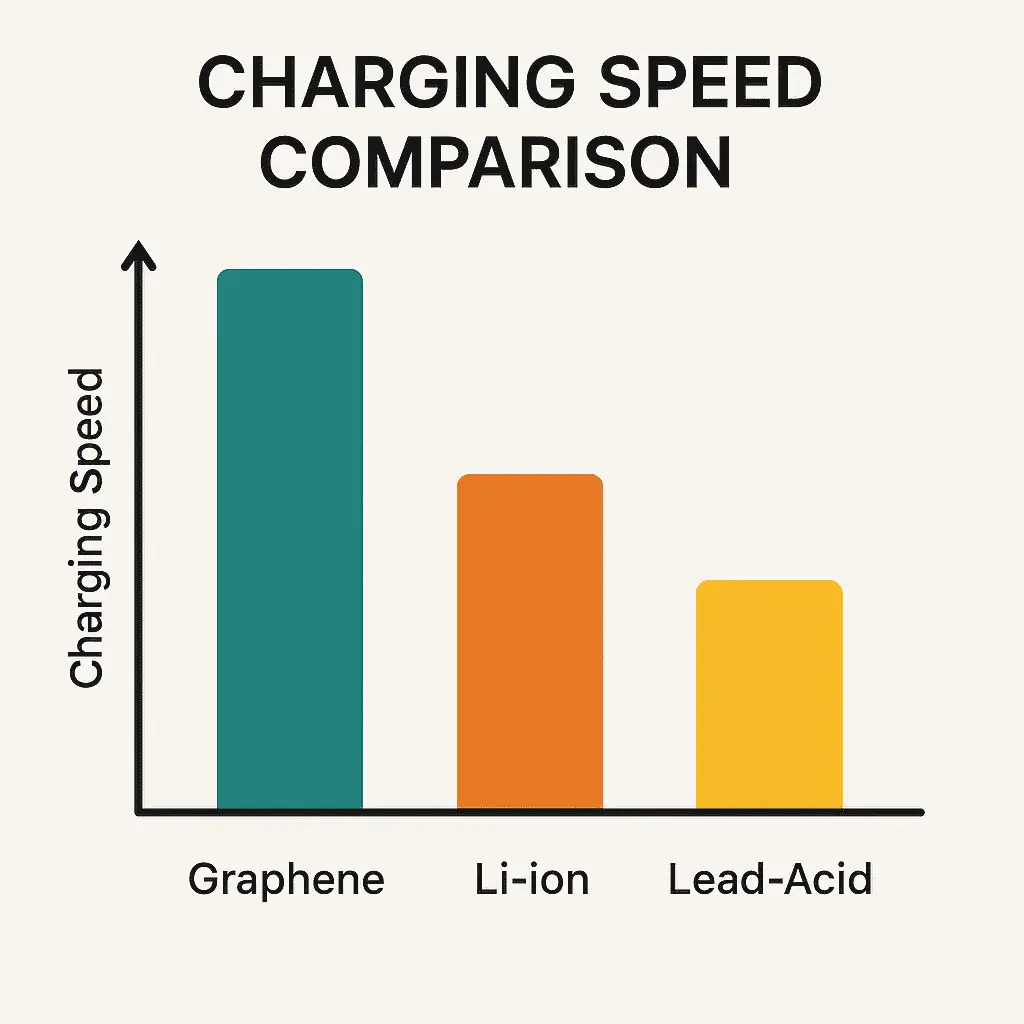
1. Lightning-Fast Charging
- 5-10x faster charging than lithium-ion batteries.
- Samsung’s graphene battery prototype charges 0% to 100% in 12 minutes.
- Perfect for EVs, drones, and emergency power.
2. Unmatched Energy Density
| Battery Type | Energy Density (Wh/kg) |
|---|---|
| Graphene | 600-1,000+ (Theoretical max: 1,500) |
| Li-ion | 150-250 |
| Lead-Acid | 30-50 |
💡 Why it matters?
- Double the range for electric vehicles.
- Smaller, lighter batteries for wearables and aerospace.
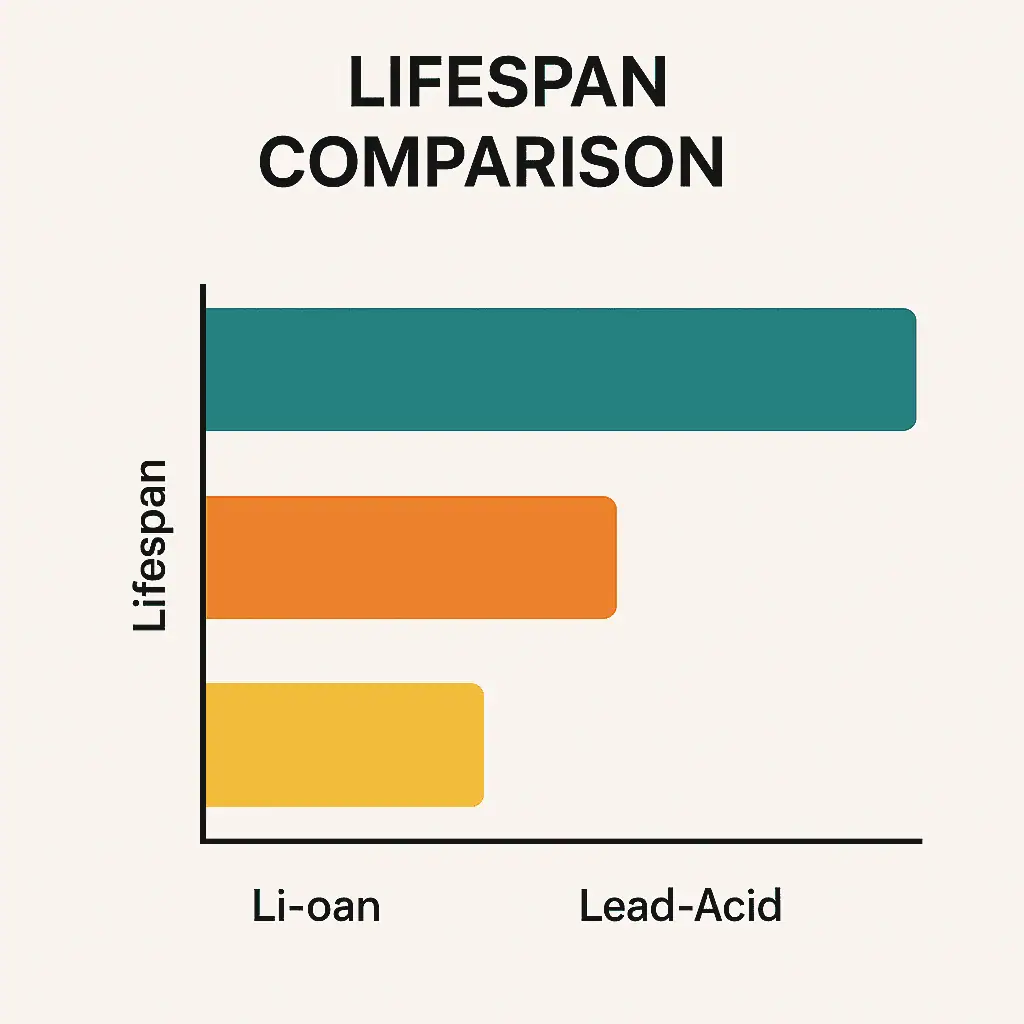
3. Extreme Longevity
- 10,000+ charge cycles (vs. 1,000-1,500 for Li-ion).
- No memory effect – Stays efficient forever.
🔋 Real-world example: Graphene-enhanced Li-ion batteries in EVs could last 20+ years without replacement.
🔬 How Do Graphene Batteries Work?
The Science Behind the Supermaterial
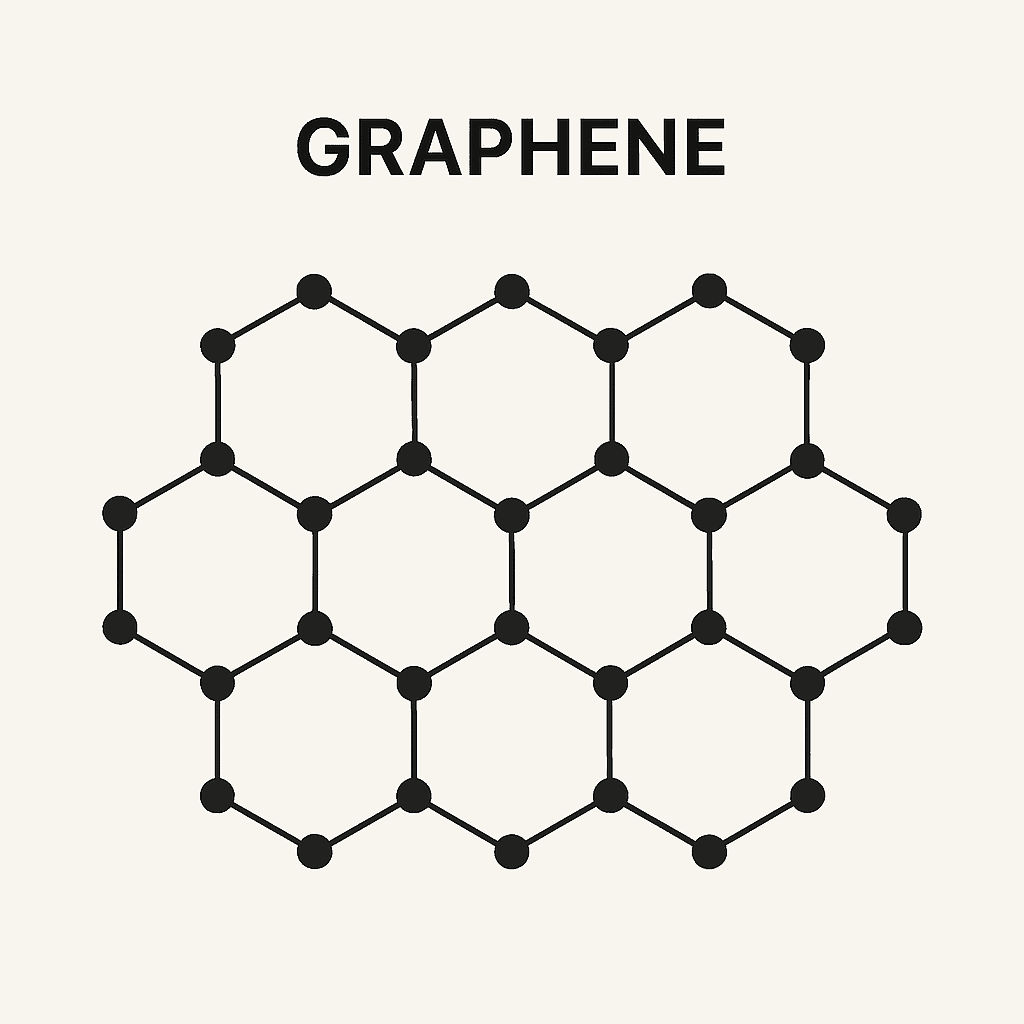
- Graphene = Single layer of carbon atoms in a honeycomb lattice.
- 200x stronger than steel, yet ultra-lightweight.
- Highly conductive – Electrons move 100x faster than in silicon.
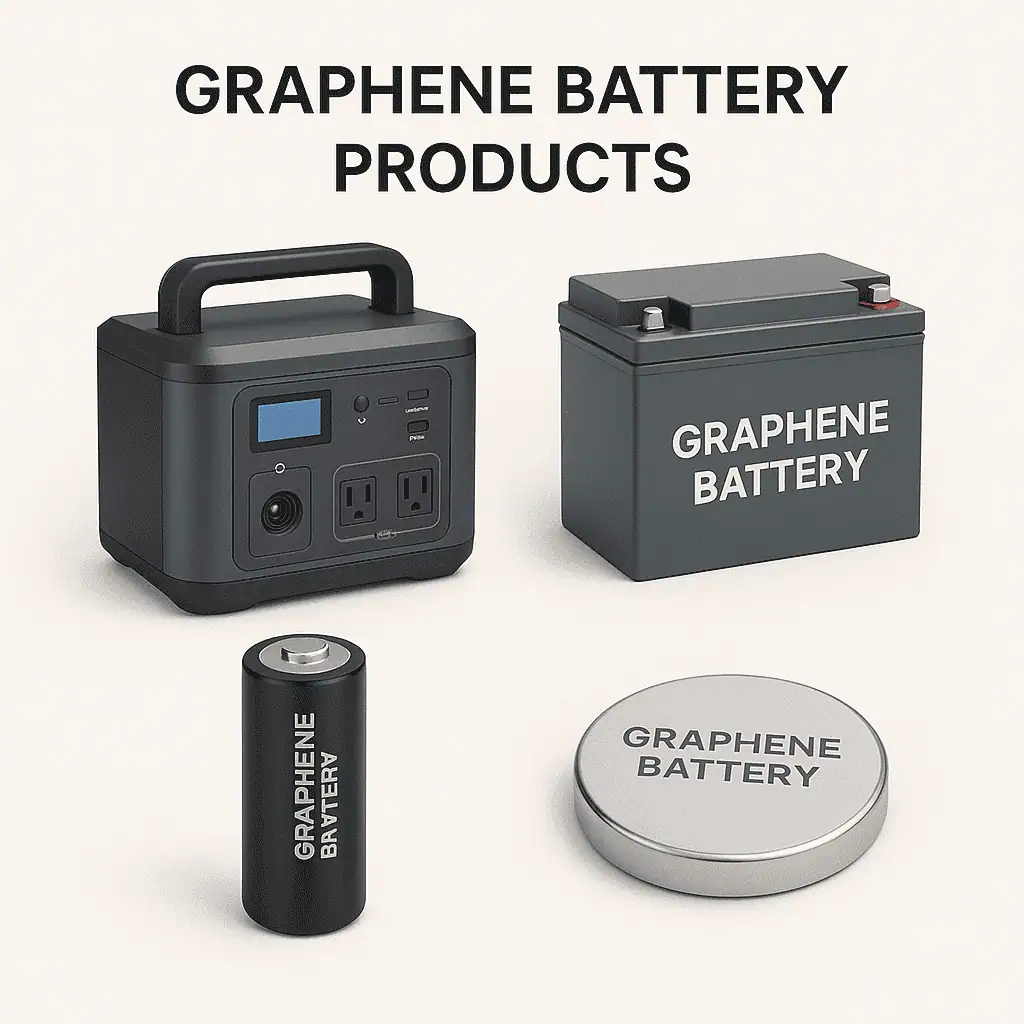
Types of Graphene Batteries
- Pure Graphene Batteries (Still in R&D)
- Graphene-Enhanced Li-ion (Available now)
- Graphene Supercapacitors (Instant charge/discharge)
🚀 Current Applications & Breakthroughs
1. Electric Vehicles (EVs)
- Fisker’s solid-state graphene battery (500+ mile range, 1-minute charge).
- Tesla’s rumored graphene research for next-gen EVs.
2. Consumer Electronics
- Huawei’s graphene-cooled batteries (No more overheating phones).
- Samsung’s fast-charging tech (Coming in 2025).
3. Renewable Energy Storage
- Grid-scale graphene supercapacitors store solar/wind power efficiently.
⚠️ Challenges Holding Graphene Back
1. Production Costs
- High-quality graphene is expensive (~$100/gram for lab-grade).
- Mass production still scaling up.
2. Commercialization Hurdles
- Most products today use graphene hybrids (not pure graphene).
- Regulatory approvals needed for full adoption.
3. Competition from Other Tech
- Solid-state & lithium-sulfur batteries are also advancing fast
🔮 The Future of Graphene Batteries
2025-2030 Predictions
✅ First true graphene batteries hit consumer markets.
✅ EVs charge in <10 minutes at graphene-powered stations.
✅ Graphene supercapacitors replace lithium in grid storage.
📈 Market forecast: $1.5B+ industry by 2030 (CAGR 35%).
🏆 Graphene vs. Lithium-Ion: Who Wins?
| Category | Graphene | Li-ion |
|---|---|---|
| Charging Speed | ⚡⚡⚡⚡⚡ (5x faster) | ⚡⚡⚡ |
| Lifespan | 🔋🔋🔋🔋🔋 (10,000+ cycles) | 🔋🔋🔋 |
| Cost | $$$ (Getting cheaper) | $$ |
| Availability | Limited (2025+) | Everywhere |
Verdict: Graphene wins on performance, but Li-ion still dominates cost & availability.