Aluminium-Ion Batteries vs. Lithium: The Shocking Truth About Which Technology Will Dominate by 2030
Introduction: The Battery Wars Have Begun
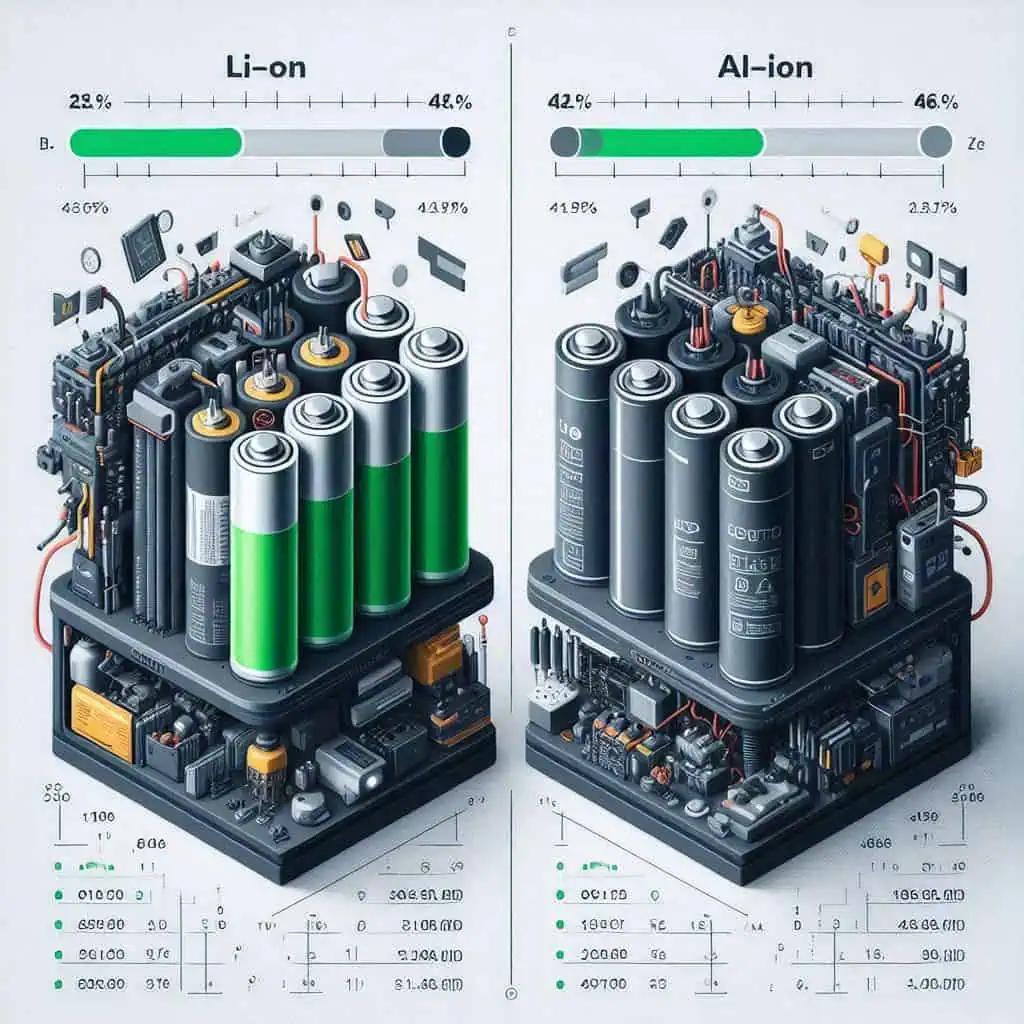
The energy storage industry is approaching a historic inflection point:
- Lithium-ion (Current leader but with critical flaws)
- Aluminium-ion (Emerging challenger with game-changing advantages)
Key Stats:
🔋 3x faster charging
🔥 Non-flammable chemistry
💰 60% lower material costs
(Hook: “Why Tesla, CATL, and Samsung are all secretly developing aluminium-ion tech”)
Section 1: The 5 Critical Battlegrounds
1. Charging Speed: The 5-Minute Revolution
- Lithium-ion: 30-60 minutes (fast charging)
- Aluminium-ion: 5-10 minutes (recent Stanford breakthrough)
Industry Impact: Could enable EV charging as quick as gas refueling
2. Safety: No More Battery Fires
- 2023 Lithium-ion fires: 278 documented EV incidents
- Aluminium-ion: Water-based electrolytes eliminate fire risk
(Case study: GMG’s nail penetration test video)
3. Cost: The Aluminium Advantage
| Material | Price per kg | Global Reserves |
|---|---|---|
| Lithium | $78 | 22 million tons |
| Aluminium | $2.40 | 55 billion tons |
(Source: USGS 2024 Mineral Survey)
Section 2: Who’s Winning the Development Race?
2.1 Corporate Leaders
| Company | Progress | Projected Launch |
|---|---|---|
| Tesla | Secret “Project Kato” | 2026 |
| CATL | 500Wh/kg prototype | 2025 |
| GMG | Graphene-Al hybrid | Now in production |
2.2 National Initiatives
- China: $2B national research program
- EU: Critical Raw Materials Act favors Al-ion
- India: Saturnose’s military contracts
Section 3: The Road to Dominance (2024-2030)
3.1 The Tipping Point
📈 2025: First commercial EVs launch
📈 2027: Grid storage adoption accelerates
📈 2030: Potential 30% market share
3.2 Remaining Challenges
⚠ Energy density still 15% behind lithium
⚠ Manufacturing scale-up required
⚠ Lithium lobby political influence
Will TESLA dominate in Aluminum Ion because it is its own supplier? Manufacturer? And user!
Good point — Tesla does have the edge with supply, manufacturing, and demand under one roof. But aluminum-ion still needs to prove itself at EV scale before any company, even Tesla, can dominate.