Aluminium-Ion Batteries: Powering the Next Energy Revolution
(The Future of Faster, Safer, and Greener Energy Storage)
Why Aluminium-Ion Batteries Are the Future
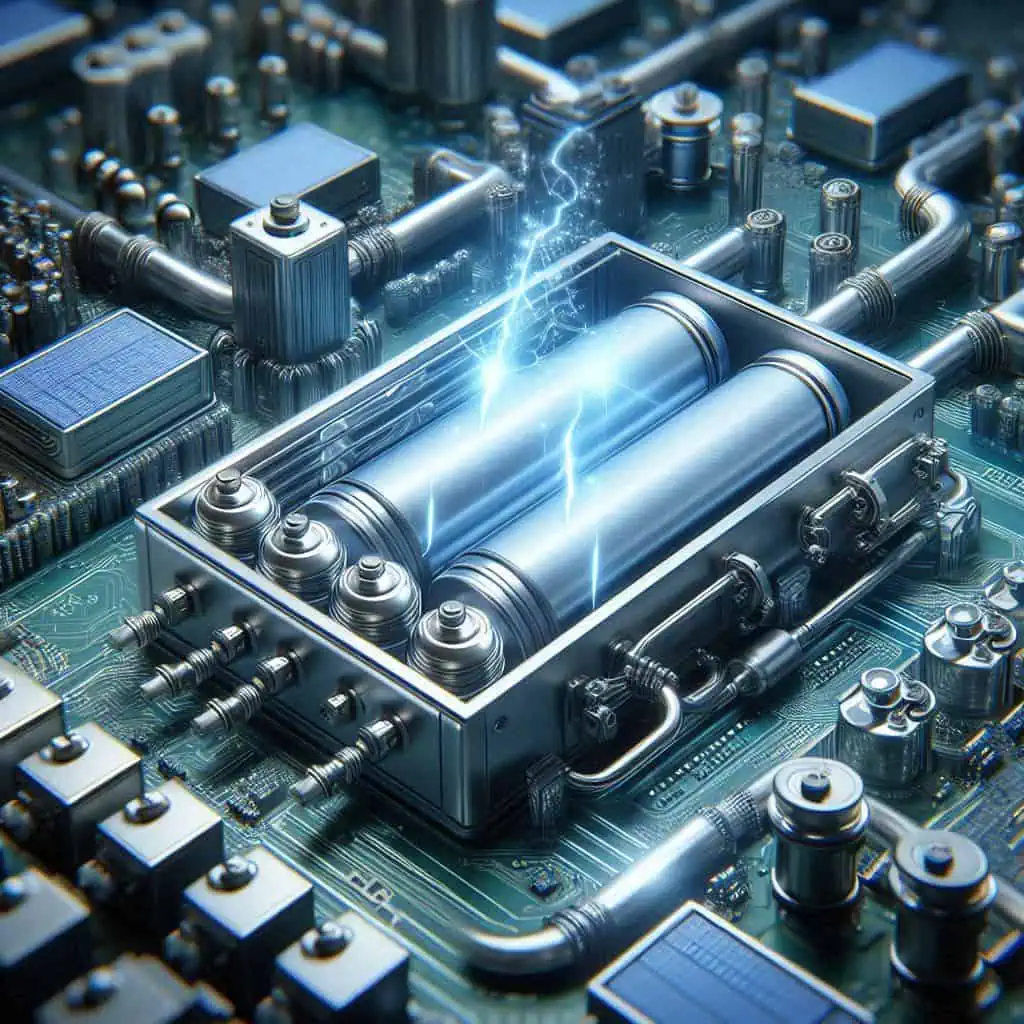
The energy storage industry is on the brink of a revolution, and aluminium-ion (Al-ion) batteries are leading the charge. As concerns grow over lithium shortages, safety risks, and slow charging, Al-ion batteries emerge as a game-changing alternative with:
✅ 3x Faster Charging – Full charge in minutes, not hours.
✅ Higher Safety – No thermal runaway (unlike lithium-ion).
✅ Lower Cost – Aluminium is 1000x more abundant than lithium.
✅ Longer Lifespan – Up to 10,000+ charge cycles (vs. 500-1000 for Li-ion).
How Aluminium-Ion Batteries Work
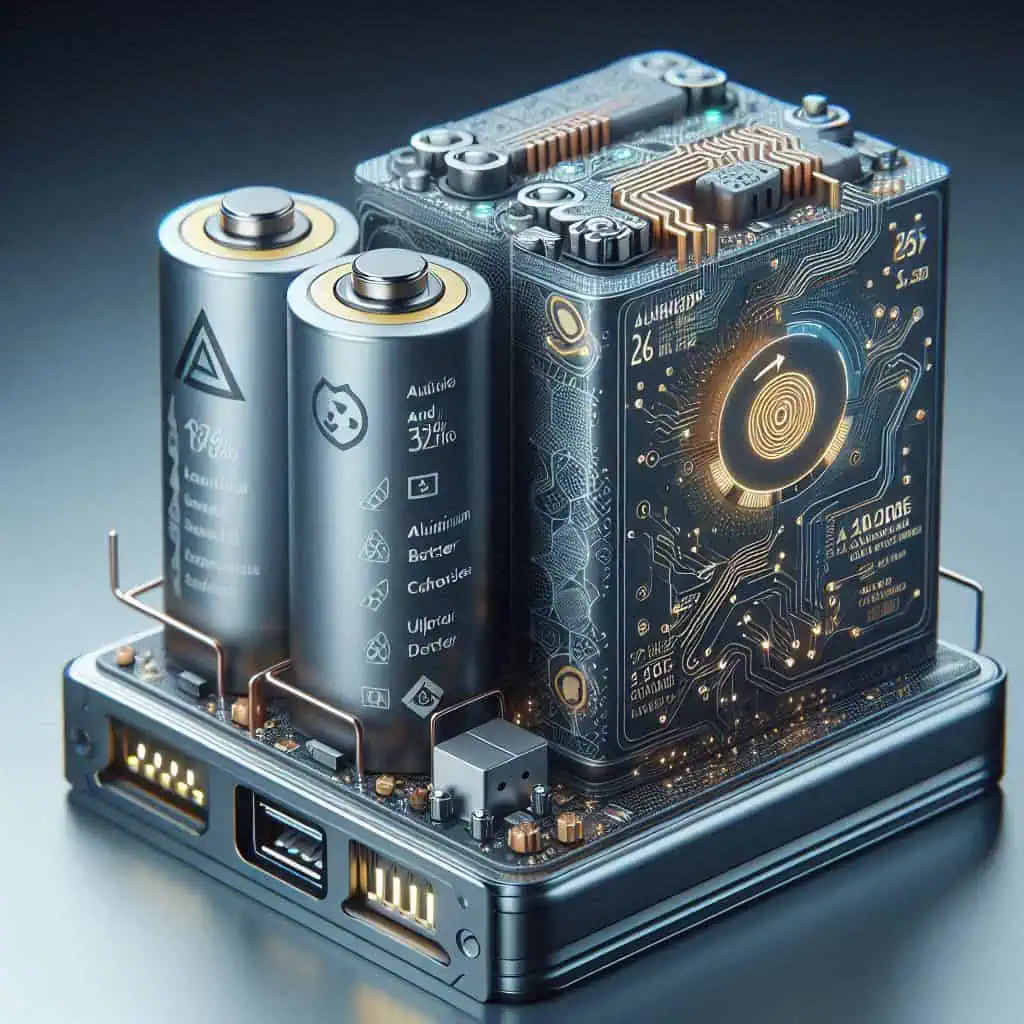
Unlike lithium-ion batteries, which rely on lithium ions moving between electrodes, Al-ion batteries use aluminium ions (Al³⁺). This allows:
- Higher energy density (more power in smaller sizes).
- Stable electrolytes (no fire hazards).
- Recyclability (aluminium is infinitely reusable).
Aluminium-Ion vs. Lithium-Ion: Key Differences
| Feature | Aluminium-Ion | Lithium-Ion |
|---|---|---|
| Charging Speed | Minutes | Hours |
| Safety | Non-flammable | Fire risk |
| Material Cost | Cheap (Al abundant) | Expensive (Li scarce) |
| Lifespan | 10,000+ cycles | 500-1,000 cycles |
| Energy Density | Improving rapidly | Currently higher |
Verdict: Al-ion is better for fast-charging EVs, grid storage, and consumer electronics where safety and longevity matter most.
Real-World Applications of Aluminium-Ion Batteries
- Electric Vehicles (EVs) – Charge an EV in 5 minutes instead of hours.
- Smartphones & Laptops – No more battery degradation after 2 years.
- Renewable Energy Storage – Solar/wind farms need long-lasting, safe batteries.
- Aerospace & Military – Lightweight, high-power energy for drones and satellites.
Top Companies Developing Aluminium-Ion Batteries
- Saturnose (India/US) – Claims 1,000+ Wh/kg energy density.
- Graphene Manufacturing Group (GMG, Australia) – AI-enhanced Al-ion cells.
- ION Storage Systems (USA) – Solid-state Al-ion breakthroughs.
(Want to invest? Check out our Aluminium-Ion Stock Guide.)
Challenges & Future Outlook
While Al-ion batteries are promising, they still face:
⚠ Lower energy density than lithium-ion (for now).
⚠ Manufacturing scalability needs improvement.
But by 2030, experts predict Al-ion could dominate the EV and grid storage markets as tech improves.
Final Thoughts: The Next Energy Revolution Starts Now
Aluminium-ion batteries are not just an alternative—they’re the future. With faster charging, unbeatable safety, and sustainability, they could replace lithium-ion in the next decade.
🔋 Stay ahead of the curve—bookmark AluminiumIon.com for the latest updates!